How to Choose the Right Personal Trainer for Your Fitness Goals
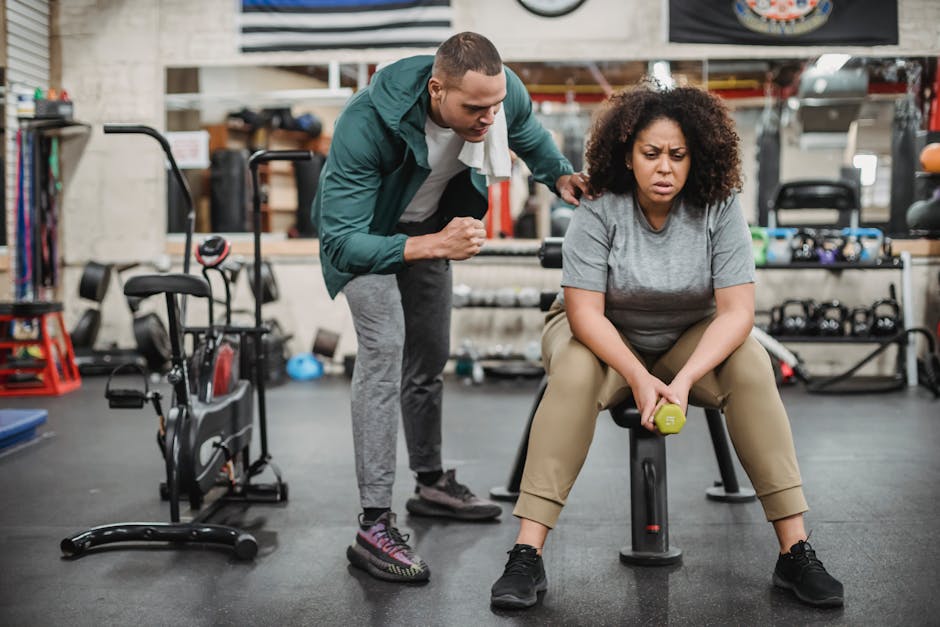
Choosing a personal trainer is one of the most important decisions you'll make on your fitness journey. The right trainer can transform your results, keep you motivated, and help you avoid costly mistakes. But with so many options available, how do you know who to trust?
Check Qualifications and Credentials
Start by verifying that any trainer you consider is properly qualified. Look for recognised certifications from bodies like CIMSPA (Chartered Institute for the Management of Sport and Physical Activity) or REPs UK (Register of Exercise Professionals). These credentials mean your trainer has completed rigorous training and must adhere to professional standards. Don't be shy about asking to see their certificates – any legitimate trainer will be happy to show them.
Define Your Specific Goals
Before you meet with a trainer, be clear about what you want to achieve. Are you training for strength, weight loss, athletic performance, or general health? Different trainers specialise in different areas. A trainer who excels at powerlifting may not be ideal if your goal is to improve flexibility and mobility. Having clear goals helps you find someone with the right expertise.
Consider Their Experience and Track Record
Ask potential trainers about their experience with clients similar to you. How long have they been training? What results have they achieved with others? Request testimonials or case studies. A trainer with a proven track record working with people at your fitness level and with your goals is invaluable.
Assess Communication Style and Personality
You'll be spending significant time with your trainer, so personality matters. Some people thrive with tough, no-nonsense coaches, whilst others prefer an encouraging, supportive approach. During an initial consultation, notice how the trainer listens, whether they ask about your lifestyle and preferences, and if they explain things clearly. The best trainer in the world won't help if you dread your sessions.
Check Their Approach to Injury and Health
A good trainer will ask detailed questions about any injuries, medical conditions, or mobility issues before designing your programme. They should modify exercises appropriately and know when to refer you to a physiotherapist. Safety should always come first.
Look at Pricing and Flexibility
Personal training costs vary widely across the UK. Decide your budget and what format suits you – one-on-one sessions, small group training, or online coaching. Some trainers offer package deals or discounts for commitment. Make sure the pricing model works with your lifestyle.
Take Advantage of Trial Sessions
Most reputable trainers offer an initial consultation or trial session, often free or at reduced cost. Use this to get a feel for their style and whether you work well together. Trust your instincts – if something doesn't feel right, it probably isn't.
Investing time in finding the right personal trainer pays dividends in motivation, results, and enjoyment of your fitness journey.